Cockroaches


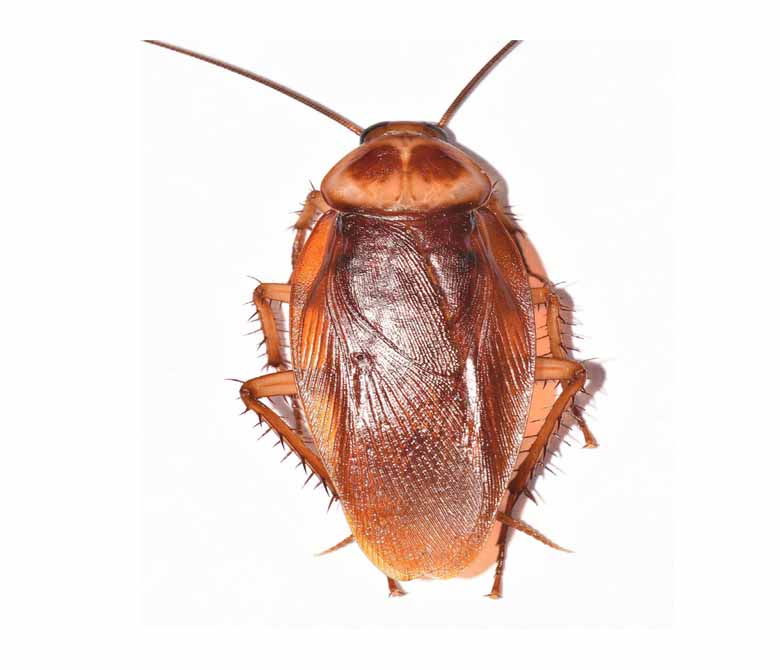
American Cockroach

  • Nickname "water bug" or "Palmetto bug"
  • 1 to 2" long
  • Nymphs are grayish brown; adults are reddish brown
  • Well developed wings but infrequent fliers.
  • Markings on the pronotum looks like sunglasses
  • Found in places of high relative humidity in cracks/crevices
  • Enter buildings through sewer systems and cracks and crevices
  • Prefer fermented foods but can eat anything
  • Look for conducive conditions such as worn weather stripping under doors, openings around plumbing pipes, etc.

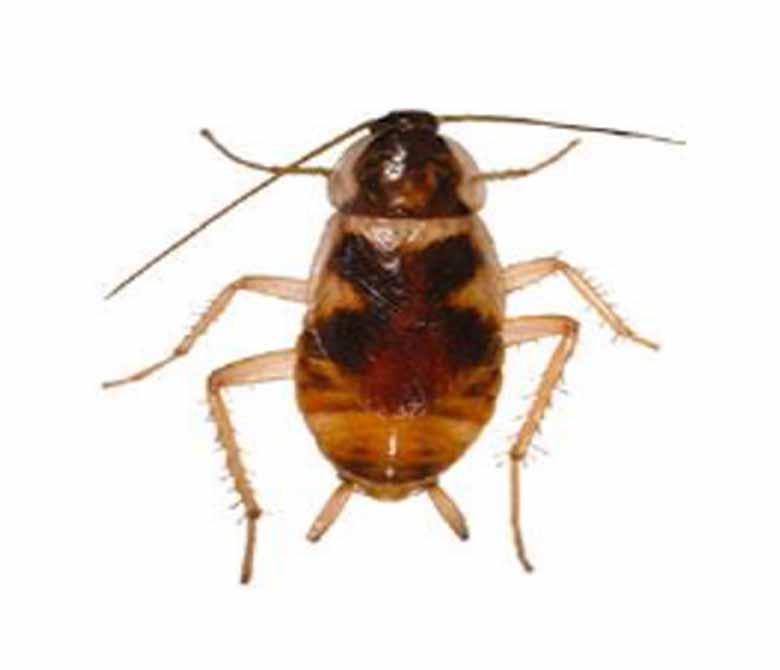
Brown-Banded Cockroach

  • Adults ½" long
  • Light brown to brown
  • Brown liberty bell shaped pattern near the pronatal shield
  • Wings darker at base but paler towards their tips with exception for a pale band at their base and another about 1/3 from base
  • (Male’s) wings extend beyond abdomen and can fly
  • (female’s) wings do not and cannot fly
  • Normally found in southern states, but can be in warmer buildings in the north
  • These roaches prefer temperatures of 80 degrees or above and less humid.
  • They tend to avoid water sources
  • Be sure to thoroughly inspect electric motors of appliances, behind picture frames, high points such as ceilings
  • If attic treatment is needed a permanently attached ladder as well as a secured floor must be in place.


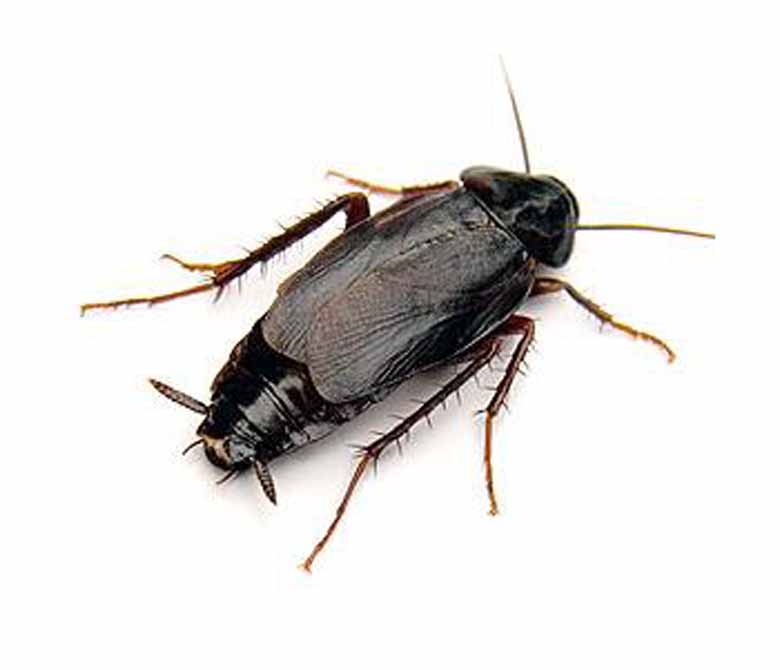
Oriental Cockroaches

  • Adult males about 1"; Females about 1.25" long
  • Color: Shiny dark brown to black
  • Wings are much shorter than abdomen and neither can fly
  • Often referred to as "Water bugs" or "Black beetles"
  • Survives well outdoors even in cold weather
  • Enter buildings down low such as sliding doors and floor drains
  • Stay in crawl spaces, basements, and first floor generally
  • Feed on food and decaying matter, but prefer starchy food

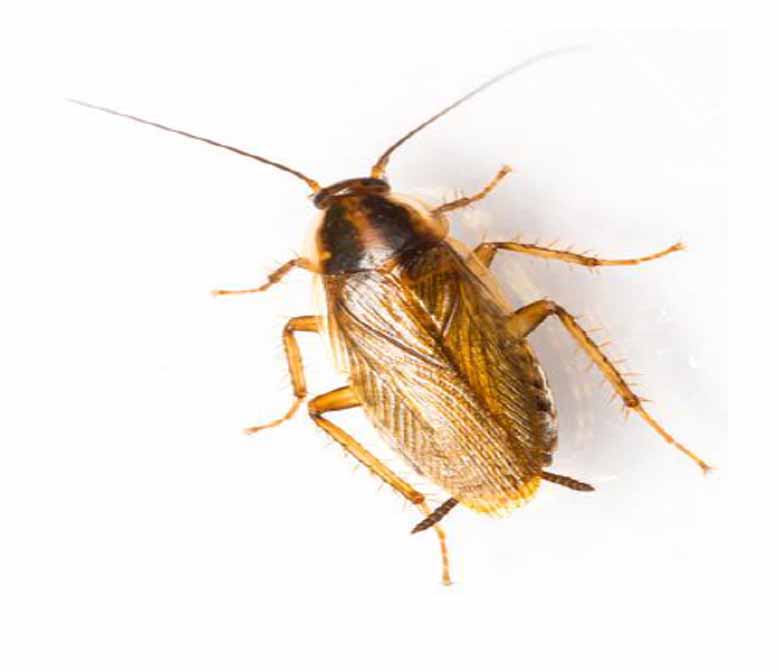
German Cockroach

  • Adults about ½ - 5/8" long
  • Light brown to tan
  • Has 2 dark, almost parallel strips/bars/streaks running lengthwise on the pronatal shield (Most identifying feature)
  • Most common type of roach found indoors
  • More challenging to get rid of; multiply quickly and in great number
  • Like moist places such as kitchen and bathroom, but can be found anywhere food is present
  • Can feed on almost anything
  • Sanitation is key to control with these roaches
  • Be sure to inspect tight cracks and crevices, as these are where they prefer to hang out


Tips for controlling American and Oriental Roaches

  • Use variety of methods: Baits, dusts and liquids are best
  • Glue boards to monitor and reduce population
  • Exclusion of cracks/crevices
  • Plugging holes
  • Reducing light from house
  • Caulk penetrations and stop water leaks
  • Sanitation measures

Tips for controlling German and Brown Banded Roaches

  • Frequent services may be required due to high reproduction rate
  • 95% must be eliminated on first service
  • Vacuuming immediately reduces large numbers and is essential to control Glue boards are essential for monitoring
  • IGRs and liquids work well for long term control