Rodents


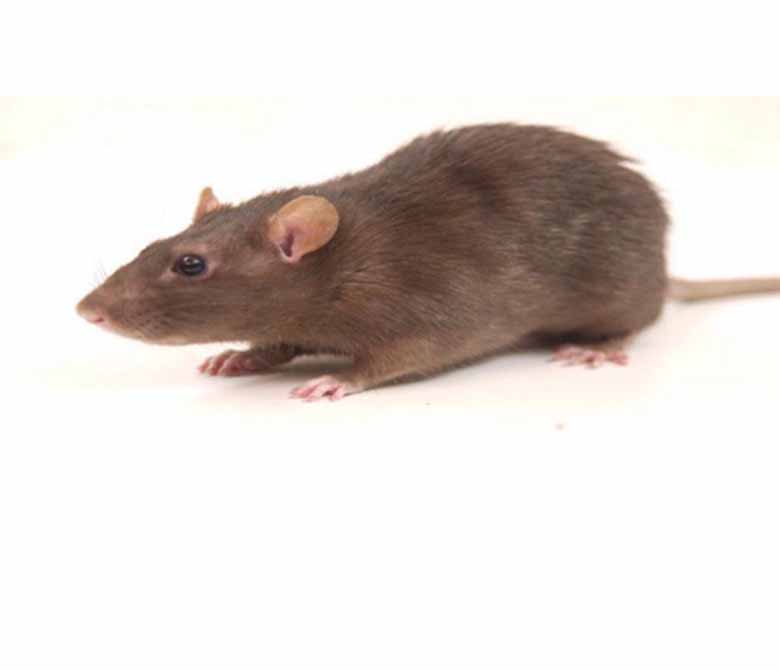
Norway Rat

  • Head and body combined: 7 - 9.5"' Tail length: 6 - 8"
  • Can weigh up to 1 - 1½lbs. (the weight of a single baseball)
  • Muzzle blunt, eyes small, ears small
  • Fur is coarse, shaggy brown with scattered black hairs
  • Droppings up to ¾" long and capsule-shaped with rounded ends
  • They are omnivorous and feed on a variety of food sources
  • They will consume meats, fruits, grains and nuts
  • Dead animals also serve as a food source for these rats, and they are capable of catching small fish and rodents
  • They require water to drink and they make their colony as close to a water source as possible
  • Poor eyesight, but can run, climb, jump and swim
  • Gnaw marks, droppings, tracks/footprints
  • Leave burrows, runways and damaged goods
  • Leave rub marks along paths that they frequently travel from the grease on their fur

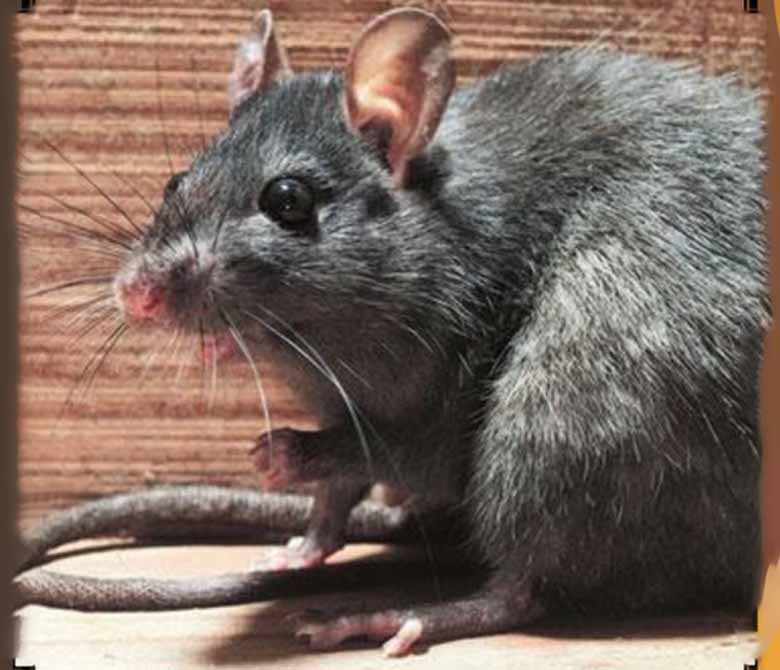
Roof Rat

  • Head and body combined: 6 - 8"; Tail length 7 - 10" long
  • Usually weigh 5 - 9oz; up to 12oz. (weight of a can of soup)
  • Fur is soft and smooth
  • Brown with black intermixed, gray to black above with underside white, gray, or black
  • Pointed muzzle, large eyes and large ears
  • They eat fruits, vegetables and cereals
  • Poor sight, well developed other senses
  • Gnaw marks, droppings, tracks/footprints
  • Leave rub marks, swing marks, damaged goods
  • Primarily nocturnal


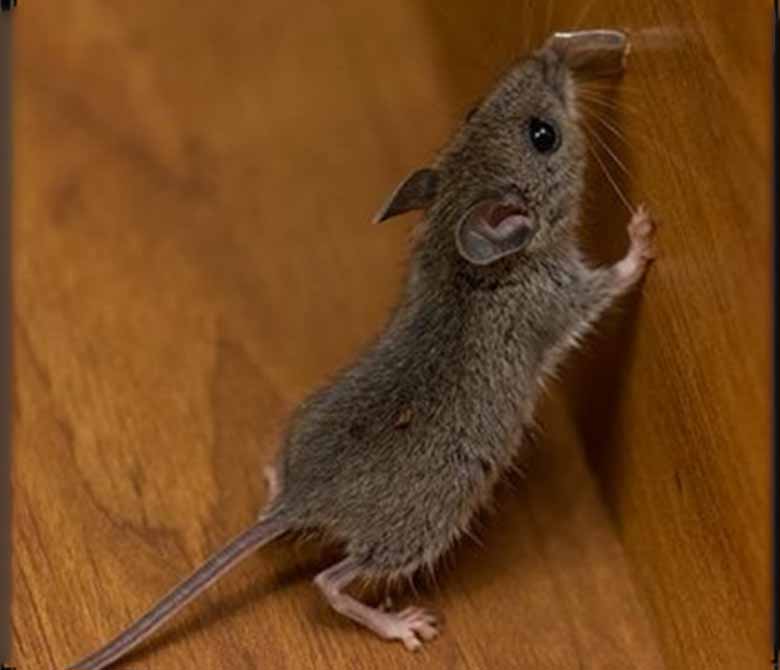
House Mouse

  • Head and body combined length 7"
  • Weight about 12 to 30 grams
  • Smooth fur
  • Dusty gray above and light gray or cream on belly, fur can vary greatly
  • Pointed muzzle, small eyes, large ears
  • Droppings 1/8 to 1/4" long, rod-shaped with pointed ends
  • Poor sight
  • Very inquisitive
  • Prefer to nest in dark spaces
  • Gnaw marks, droppings, damaged goods
  • Mostly nocturnal
  • Prefer to eat insects and seeds

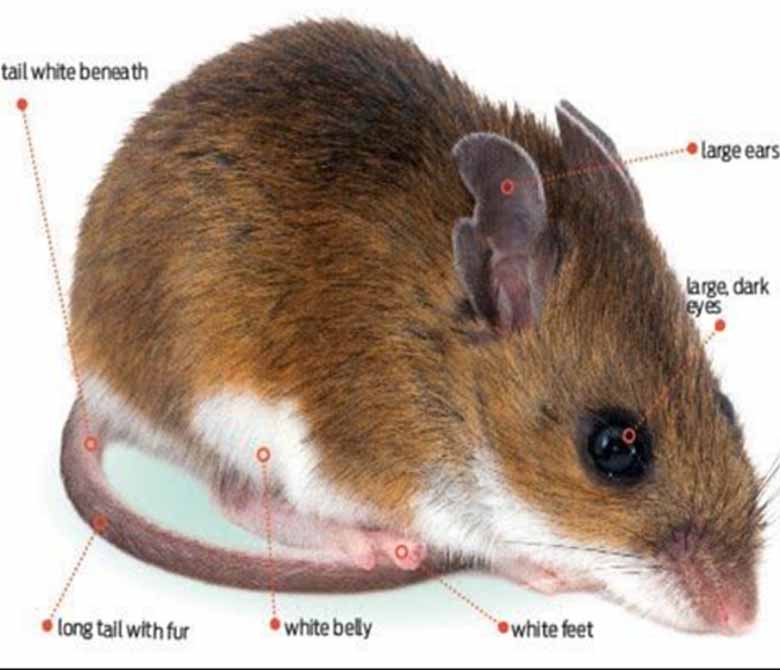
Deer Mouse

  • Known as white-footed mouse
  • Head and body about 4" long
  • Pale grayish to reddish brown above and white below; tail always sharply bicolored
  • Muzzle pointed, eyes small and ears large
  • Nocturnal
  • Nest in any tight and protected places indoors or outdoors
  • More common in farming and rural areas
  • Of health concern because they are the promary carriers of hantavirus
  • Primarily feed on insects, seeds, nuts and fruits


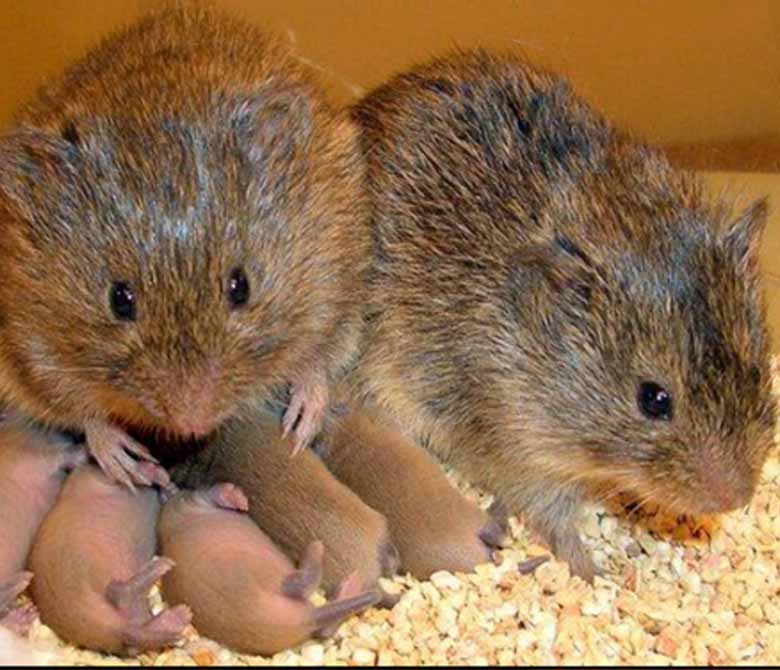
Voles

  • Stocky, rounded rodents with short tails, short ears and a blunted nose
  • Chestnut brown with black on the back
  • 3 - 9"
  • Sometimes referred to as 'meadow mice' or 'field mice'
  • Herbivore but mainly fibrous (consume fibrous plants such as grass)
  • Do not hibernate, active throughout the year
  • Nests are typically constructed in underground burrows
  • They do not reproduce indoors, mainly outdoor pests

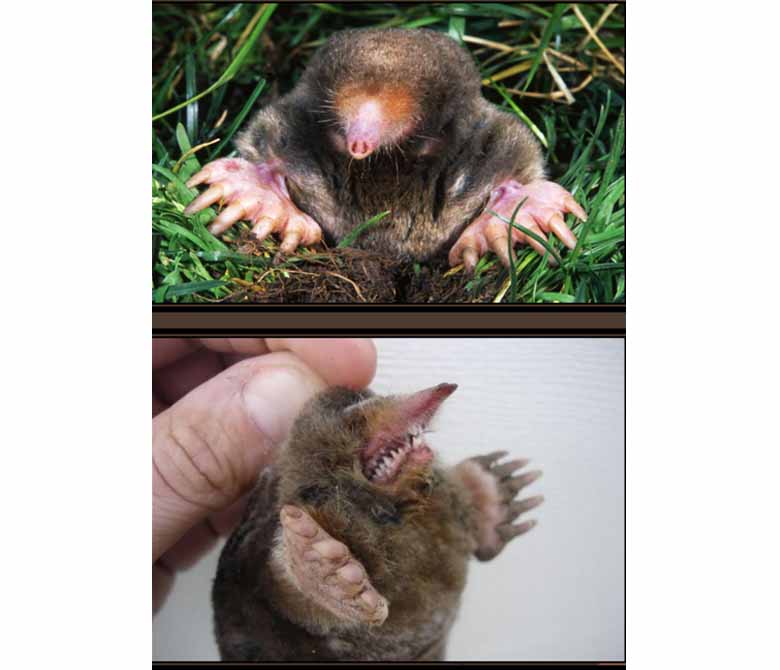
Moles

  • Bluish-black to gray fur
  • Slender snout, teeth like needles
  • Flattened feet, claws and small ears
  • Grow up to 12" long
  • Pointed noses that distinguish them from meadow voles, gophers and shrews
  • Noses extended well in front of their mouths
  • Small eyes and ears are concealed by fur
  • Feet are spade like in shape and are wider than they are long
  • Feed on underground insects such as worms
  • Do not eat bulbs and roots of plants/vegetables
  • Signs of moles: Discharged mounted soil and heaved runways
  • Make subsurface and deep runways


Controlling Rodents

  • Exclusion is always the best method of control
  • First determine activity sites
  • Look for droppings. This is generally where they will be feeding
  • Glue boards and traps placed in areas where they are located
  • Baits should be a last option
  • Identification, sanitation, hargorage elimination, and exclusion

Tips for controlling German and Brown Banded Roaches

  • Frequent services may be required due to high reproduction rate
  • 95% must be eliminated on first service
  • Vacuuming immediately reduces large numbers and is essential to control Glue boards are essential for monitoring
  • IGRs and liquids work well for long term control